
You’re Sending Into a Crowded Room Where Nobody’s Listening
A marketing manager hits send on an email campaign. They’ve crafted the message. Tested the subject line. Segmented the list. They expect good results.
The email arrives. It gets opened by maybe 15% of the list. Clicked by maybe 2%. Most emails never get seen.
The marketer doesn’t understand why. The email looked good. The offer was relevant. The timing made sense.
But in the recipient’s inbox, your email doesn’t stand out. It gets buried under 200 other emails that arrived that day. It gets deleted unread. It gets marked as spam without being opened.
This isn’t a failure of execution. This is a failure of understanding why email works differently than it used to.
Email marketing doesn’t fail because of bad emails. Email marketing fails because the channel itself has changed. The inbox isn’t what it was five years ago. The way people manage email isn’t what it was. The volume is incomparable.
Understanding this changes everything about how you approach email.
The Problem Nobody Admits: Inbox Overload Is Real
The average professional receives 126 emails per day. That number has been climbing for a decade.
126 emails. Per day.
Most people don’t read most of these emails. They glance at the sender. They scan the subject line. If it doesn’t immediately indicate relevance, they delete it.
Your email is one of the 126.
Even if your email is good, it’s competing for attention against 125 other messages. Some from people they know. Some from services they pay for. Some from notifications. Some from actual spam.
In that environment, being “fine” isn’t enough. Your email has to be immediately relevant or it gets deleted.
But most marketing emails aren’t immediately relevant. They’re useful eventually. They’re interesting eventually. But the recipient can’t tell that from the inbox. So they disappear.
This is the first reason email gets ignored: Volume. Your good email is drowning in a sea of other emails.
Why People Don’t Trust Your Email Anyway
People receive spam constantly. They receive phishing emails. They receive legitimate emails from companies they don’t remember signing up for.
So when they see an email from you, they’re suspicious before they even read it.
If you’re a company they have no relationship with, your email triggers a defense mechanism. Delete without reading. Unsubscribe. Mark as spam.
Even if you’re a company they do business with, their default is skepticism. Is this real or a phishing attempt? Is this something I actually need or just a marketing pitch?
This skepticism is earned. People have been burned. They know email can be spoofed. They know companies buy email lists. They know most marketing emails are trying to manipulate them into buying something.
So trust becomes essential. But most companies haven’t earned it. The email gets deleted as a precaution.
This is the second reason email gets ignored: Distrust. The recipient doesn’t know if they should trust the email before they even read it.
The Subject Line Problem
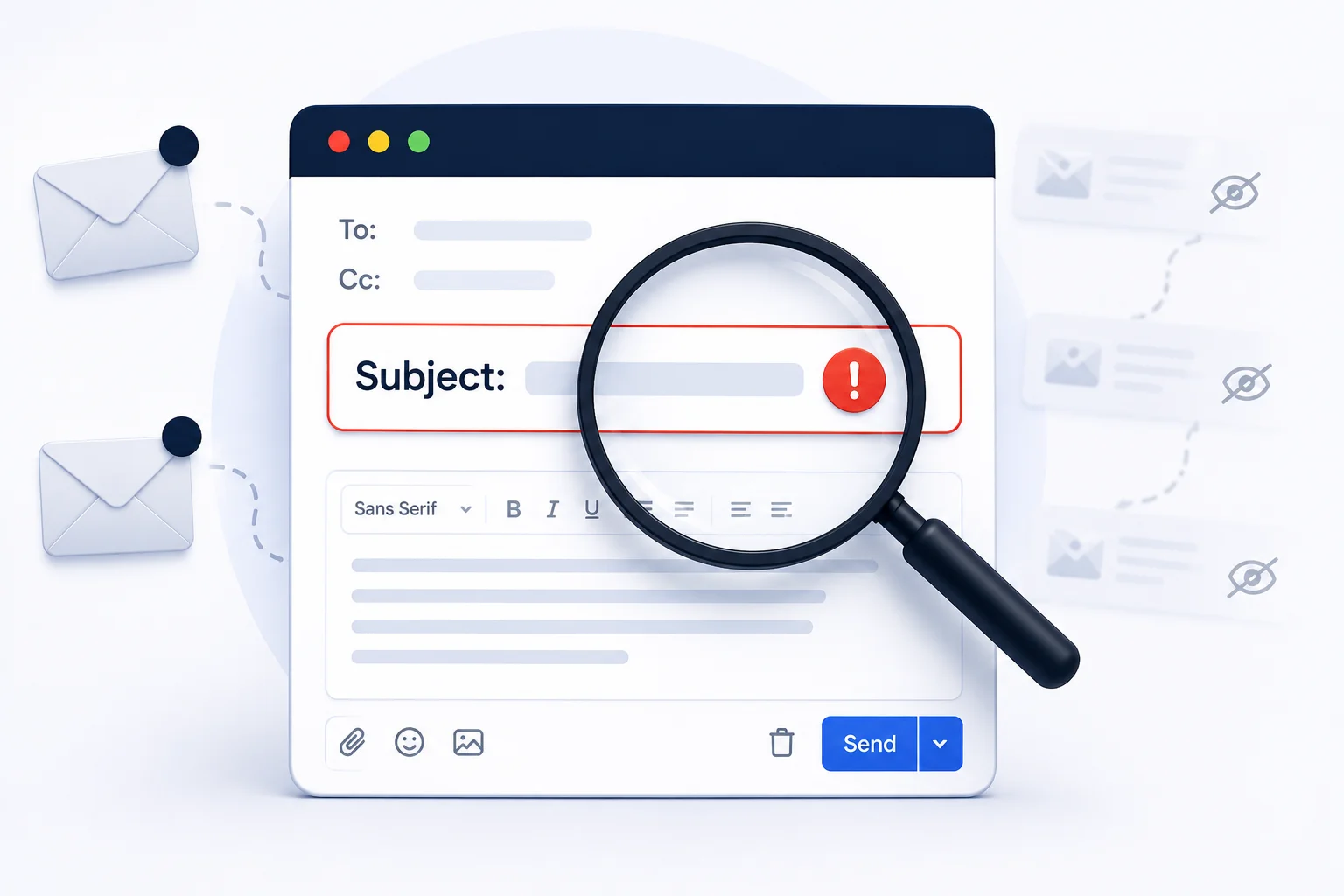
People decide whether to open your email based on the subject line. That’s the only information they have.
Most marketers understand this. So they write clever subject lines. They create urgency. They promise value.
“This One Weird Trick…” “Don’t Miss Out…” “Last Chance…” “You’re Missing Out…”
These subject lines feel manipulative. They feel like clickbait. They feel like the email is trying to trick the reader.
So the reader deletes the email without opening it. Not because the subject line is bad. But because it signals that the email is more about the sender’s agenda than the reader’s actual needs.
The subject lines that work are ones that are honest about what’s inside. They don’t promise more than they deliver. They don’t create false urgency.
“Update on your order.” “Our new feature you requested.” “This week’s schedule.” These get opened because readers trust the email will be what the subject says it is.
But writing honest subject lines is harder than writing clever ones. So most marketers don’t do it. Their emails get deleted.
This is the third reason email gets ignored: Subject line mismatch. The subject line either lies or feels manipulative.
The Frequency Problem
You send emails weekly. You send emails daily. You send emails every time something changes.
The recipient signed up for something once. They didn’t sign up for your email schedule.
So after the fifth email in three days, they unsubscribe. Not because the emails are bad. But because they didn’t expect this volume.
They expected occasional updates. They got constant noise.
Every extra email you send degrades trust a little bit. Every email that feels unnecessary creates friction. Every email that interrupts their day adds to their frustration.
Eventually, they unsubscribe. Or they just delete everything without reading.
Most companies send more emails than their recipients actually want to receive. They assume frequency equals engagement. The opposite is true. Frequency breeds fatigue.
This is the fourth reason email gets ignored: Frequency problem. Too many emails condition the recipient to ignore all emails from you.
The Relevance Problem
You have a list of 10,000 people. You send the same email to all of them.
But these people have different needs. Different interests. Different reasons for being on your list.
The email that’s relevant to 2,000 of them is irrelevant to the other 8,000.
So 8,000 people delete it without reading. The 2,000 who might care are mixed in with the noise, so some of them delete it too just based on the subject line.
If you segmented the email, you could send one message to the 2,000 people it’s actually for. Higher open rate. Higher click rate. Higher conversion.
But segmenting takes effort. So most companies send to everyone and watch open rates suffer.
The email doesn’t get ignored because it’s bad. It gets ignored because it’s irrelevant to most of the people receiving it.
This is the fifth reason email gets ignored: Relevance problem. Generic emails don’t convert because most recipients don’t need what you’re offering.
The Sender Reputation Problem
Email service providers track sender reputation. If you send emails and get a lot of complaints, your emails go to spam.
But the definition of “complaint” is loose. Marking as unread counts. Deleting without reading might count. Some email systems penalize you for unsubscribes.
So if you have a pattern of sending emails that people don’t engage with, your future emails start going to spam automatically.
This creates a death spiral. Your emails go to spam. Fewer people see them. Those who do see them are less likely to engage. Your reputation gets worse. More emails go to spam.
The recipient isn’t ignoring your email. They never see it. It arrives in their spam folder.
This is the sixth reason email gets ignored: Sender reputation problem. Technical deliverability issues are silently killing your emails.
The Timing Problem
You send an email at 10 AM on a Tuesday. But your recipient is in a different time zone. At 10 AM your time, it’s 3 AM theirs.
They wake up to 47 new emails. Yours is buried between emails from overnight.
By the time they check email properly, your email is old news. They scroll past it.
Or you send your email and someone sends another email five minutes later that’s more urgent. Your email gets buried.
The email itself is fine. But it arrived at the wrong moment.
Most companies send emails based on their schedule, not the recipient’s schedule. They optimize for send time based on when they do business, not when the recipient actually checks email.
This is the seventh reason email gets ignored: Timing problem. The email arrived when the recipient wasn’t paying attention.
The Mobile Experience Problem
You design the email for desktop. It looks great on a large screen.
But 60%+ of emails are opened on mobile. Your email renders poorly. Text is tiny. Buttons don’t work right. The message is unclear.
The recipient tries to read it on their phone. It’s a mess. They give up.
The email is deleted not because it was bad, but because the mobile experience was broken.
Most companies still design emails with desktop first. Mobile is an afterthought. But mobile is where most emails are actually read.
This is the eighth reason email gets ignored: Mobile experience problem. Technical issues make the email unusable on the devices where it’s actually being read.
What’s Really Happening
When you send an email to someone, you’re entering an environment where they’re overwhelmed with messages, skeptical of who you are, doubting your subject line, possibly not wanting this frequency of email, and uncertain if it’s relevant.
Even if your email is excellent, you’re fighting against all of this.
Most emails get ignored not because they’re bad emails. They get ignored because the system is broken.
Why Companies Keep Sending Anyway
Despite low open rates, companies keep sending emails.
Because email is still cheaper than most marketing channels. Because the 2% who do respond are valuable. Because the alternative is worse.
So they keep sending and accepting low response rates.
What they don’t realize is that they could get 5-10x better response by changing their approach. Not by writing better emails. But by changing how they think about email fundamentally.
Instead of “we have a message, let’s email everyone about it,” the thinking should be “we have something valuable for a specific person, let’s make sure they see it.”
That shift changes everything.
The Bottom Line
Email marketing doesn’t get ignored because you’re bad at writing emails.
Email marketing gets ignored because you’re sending into an environment of overload, distrust, skepticism, and irrelevance.
Most companies accept this as normal. “Email just has low response rates.” It’s not normal. It’s a symptom.
The companies that get high email response rates do things differently. They send less frequently. They segment ruthlessly. They prioritize relevance over volume. They respect the recipient’s inbox. They optimize for mobile. They monitor sender reputation.
They treat email as a privilege, not a channel.
When you do that, people read your emails.
Not all of them. But way more than 15%.
The problem isn’t email. The problem is how you’re using it.




Related Posts
Uncategorized
Uncategorized
Uncategorized